Learning together
Homesteading in Central California
Learning can begin before we find the land.
Living Land is still forming, but the work of becoming more capable, connected, and attentive to the land can begin now.
This page gathers introductory resources for people interested in homesteading, food growing, water stewardship, small-scale agriculture, preparedness, and rural land in Central California.
It will continue to grow as we learn.
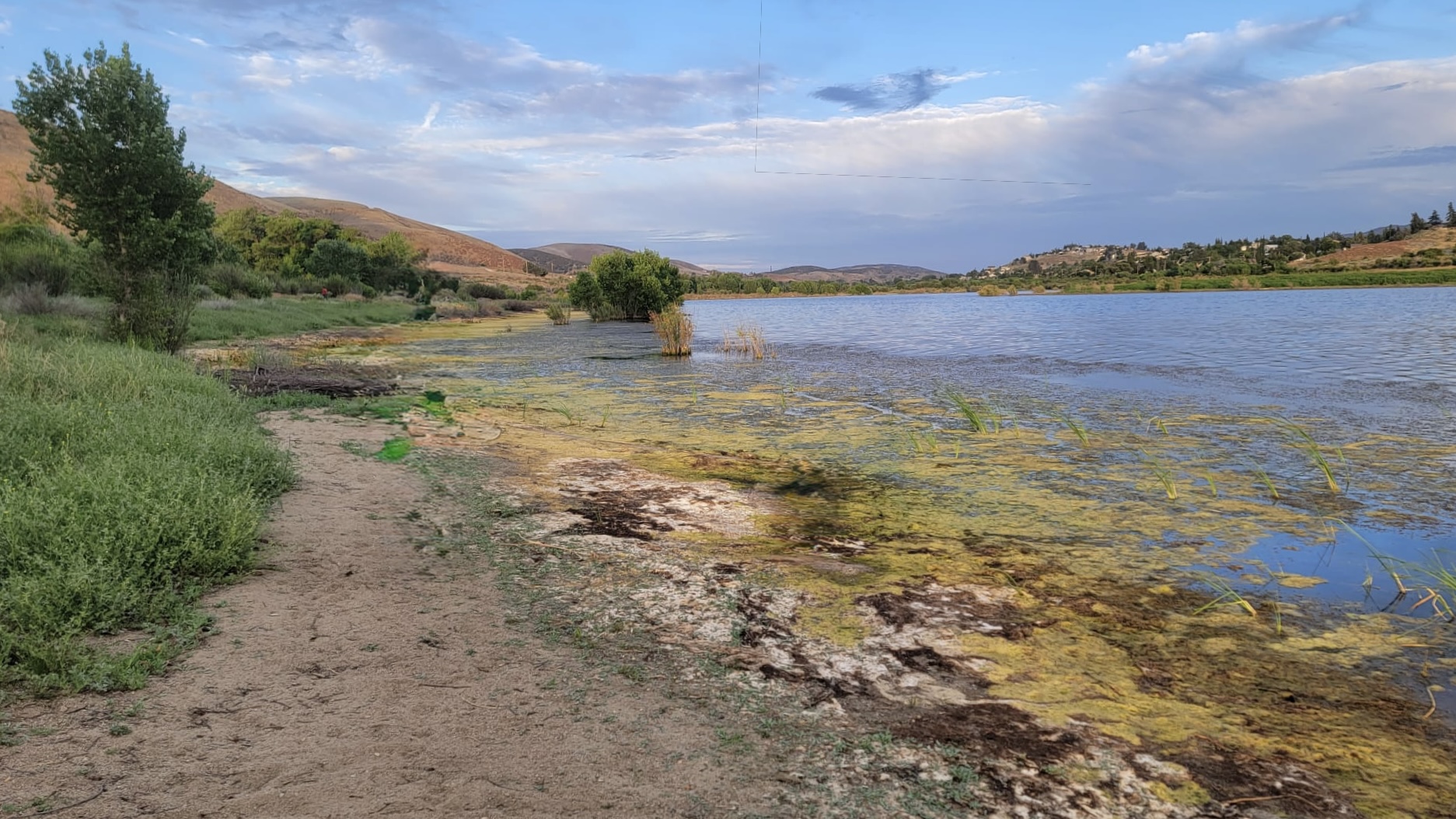
A Central California lake and shoreline
Begin now
Start Where You Are
Homesteading does not have to begin with owning acreage.
You can begin by:
- Growing herbs or a small amount of food
- Learning how much water your household actually uses
- Cooking more meals from basic ingredients
- Practicing food preservation
- Building a two-week household emergency supply
- Learning basic repairs
- Composting where it is safe and permitted
- Becoming familiar with native plants
- Learning about soil, fire, water, and seasonal changes
- Sharing tools, skills, seeds, or food with people nearby
The deeper work is not simply becoming independent.
It is becoming more capable of participating in the care of a place and the people around you.
Due diligence
Before Considering Rural Land
A beautiful property is not necessarily a buildable, insurable, accessible, or sustainable property.
Before becoming emotionally or financially committed to land, investigate:
- Zoning and permitted uses
- Legal access and recorded easements
- Water source, reliability, quality, and legal rights
- Well records and estimated well yield
- Septic feasibility
- Soil conditions
- Flood zones
- Wildfire hazard and evacuation routes
- Insurance availability and cost
- Utility access and off-grid feasibility
- Road conditions and year-round access
- Proximity to emergency services
- Title restrictions, liens, mineral rights, and covenants
- The actual cost of developing the property
Research
Land, Zoning, and Permits
Kern County Planning and Natural Resources
Begin with the county when researching zoning, land use, subdivision rules, building possibilities, and permitted agricultural activities.
Visit Kern County Planning and Natural Resources(opens in a new tab)
A real-estate listing or an agent’s description should never be treated as final confirmation that a property can be used in the way you intend.
USDA Web Soil Survey
The Web Soil Survey provides mapped information about soil types and their characteristics. It can help with early questions about agriculture, drainage, erosion, septic suitability, and land limitations.
Explore the USDA Web Soil Survey(opens in a new tab)
Online soil information is a starting point. On-site testing and professional evaluation may still be necessary.
Stewardship
Water in California
California Water Rights
A water right is a legal right to use water under particular conditions. Owning property beside a creek or river does not necessarily mean you may freely divert, store, or use that water.
California recognizes several kinds of water rights, and the rules can depend on the source, property history, watershed, intended use, season, and existing rights.
Learn about California’s water-rights process(opens in a new tab)
California Groundwater Information
Groundwater conditions vary widely, even between nearby parcels. Before relying on a well, investigate available well records, local groundwater management, depth, historic performance, water quality, drought vulnerability, and the cost of drilling or replacing a well.
Explore California Department of Water Resources groundwater information(opens in a new tab)
California Irrigation Management Information System
CIMIS provides weather and irrigation information that can help growers understand evapotranspiration and make more informed watering decisions.
Kern County
Growing Food in Kern County
UC Cooperative Extension, Kern County
The University of California Cooperative Extension offers locally relevant education and research related to agriculture, gardening, food systems, pests, water, and natural resources.
Visit UC Cooperative Extension Kern County(opens in a new tab)
UC Integrated Pest Management
UC IPM provides research-based information about garden, agricultural, household, and landscape pests, including approaches that reduce unnecessary pesticide use.
Central California growing conditions can include extreme summer heat, limited rainfall, alkaline soils, water restrictions, and significant differences in elevation and winter temperatures. What grows well in Bakersfield may not perform the same way in the Kern River Valley or mountain communities.
Safety
Wildfire and Emergency Planning
California Fire Hazard Severity Zones
CAL FIRE maps areas according to moderate, high, and very high fire hazard. These maps describe hazard conditions and should be one part of a larger property and evacuation assessment.
View California Fire Hazard Severity Zones(opens in a new tab)
Ready for Wildfire
This CAL FIRE resource includes practical information about defensible space, home hardening, evacuation preparation, and wildfire readiness.
FEMA Flood Maps
Flood risk should be reviewed even when a property appears dry or sits away from a large river. Seasonal creeks, drainage channels, steep terrain, burn scars, and unusual storm events can change how water moves across land.
Search the FEMA Flood Map Service Center(opens in a new tab)
One step
A Simple Place to Begin
Choose one area to learn about this month:
Food
Grow one thing you regularly eat.
Water
Track your household water use for one week.
Preparedness
Create enough food, water, medication, light, and basic supplies for at least several days.
Skills
Learn one practical skill you could use or share with another household.
Place
Spend time noticing the native plants, animals, weather, soil, water, and seasonal patterns where you already live.
Community
Introduce yourself to someone nearby, share something useful, or ask what local knowledge they carry.
Homesteading is not only about what we own.
It is also about the relationships, skills, attention, and care we cultivate over time.
Resource Disclaimer
The information and links on this page are provided for general educational purposes. Living Land does not provide legal, financial, real-estate, engineering, agricultural, water-rights, environmental, fire-safety, or construction advice.
Rules and conditions vary by parcel and may change over time. Always verify information with the appropriate agencies and qualified professionals before purchasing land, building, drilling a well, diverting water, installing septic systems, keeping animals, or making financial commitments.